

Sifu's true ending is a lesson in mercy
Notation: This feature contains spoilers about Sifu's plot and catastrophe. I recommend yous finish the game first before reading.
Sifu is a game about revenge. The opening moments run into you in control of the villainous Yang, every bit his gang murders the father of the game'due south protagonist. Afterward that tragic death, y'all assume command of the unnamed hero. From that moment on, every movement yous make, every life you take, and every clue you add to your detective lath are all in service of vengeance against the crew that orphaned you. But when you make your way through the ranks and cease Yang's life the aforementioned manner he concluded your father'south, you might experience unsatisfied. That'south because Sifu isn't a game about revenge as a ways to an end. Instead, information technology demonstrates that violence simply isn't the answer. As I institute the path to Sifu'due south true ending, I learned a lesson in mercy through forcefulness and bailiwick.
I came effectually a few different curves while playing Sifu. First in that location was the challenge of simply learning the ropes. I grasped the nuts of Sifu's systems and brute-forced my way through the first level or two, cheesing bosses and using equally many shortcuts as I could discover considering I didn't know any better manner to win. Then, I found a new satisfaction in playing the manner Sifu was meant to be played, with well-timed dodges, parries, and counters that got me through levels with far fewer deaths and way more martial arts moments straight out of the movies. The third revelation, however, was in discovering and practicing mercy the game wanted me to utilize. This was the greatest victory of all.
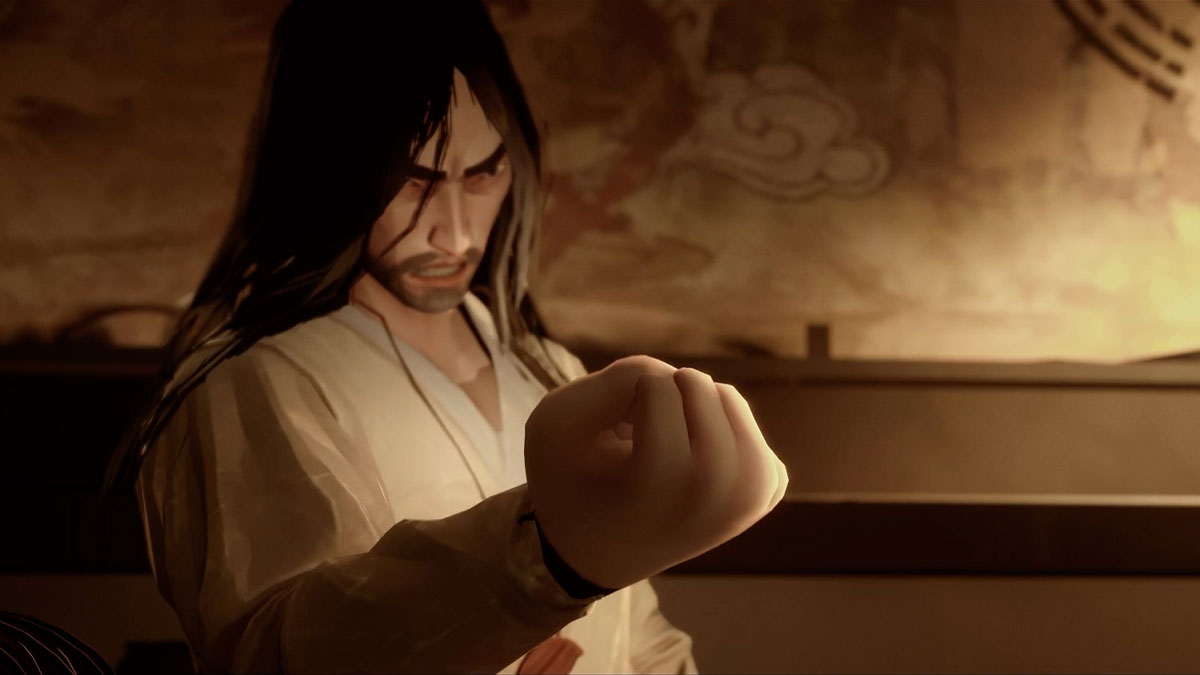
The first time you beat the concluding boss Yang, you get a brief, hollow ending. No credits roll. It's clear that something is missing, and that thing is mercy. Revenge is only a momentary respite. Truthful victory is proving to your opponent that you are better, so walking away to spare them. A kill would end things right then and there, but mercy means they live on knowing that you're still out there, better than them. Killing will never bring anyone dorsum, as many a story has taught united states of america.
Sifu nudges you in this management from the first with its detective board. As y'all collect photographs, documents, and keys across the game's 5 levels, you beginning to learn more near each of your targets. They starting time to go less targets of vengeance and more sympathetic human being beings. 1 of the final collectibles in the game is a document congratulating Fajar, the get-go dominate, on being cured of a mysterious health status. At some bespeak, he visited The Sanctuary (the final level) and received handling from Yang, the big bad himself.
Yang is the ultimate villain of the story, the ane who killed your male parent and started this entire series of events…and yet, there is undeniably some practiced in him. He runs the dispensary that cured Fajar, after all. The same goes for the residual of the rogues gallery. Sean keeps a photograph of his deceased father in a lockbox, 1 that requires yous to explore multiple levels to open up. This is a prized possession, and it humanizes Sean — perhaps he'due south even a fellow orphan like yous. Kuroki knows loss too. Her subconscious photo is of a lost twin sister, the motivation behind her life'due south work. You realize that all these likeness she has crafted of herself aren't vanity projects, simply memorials to a sibling whose death is nevertheless very painful. The game's five bosses aren't only terminal obstacles for each level. They're human beings who've suffered loss just like you.
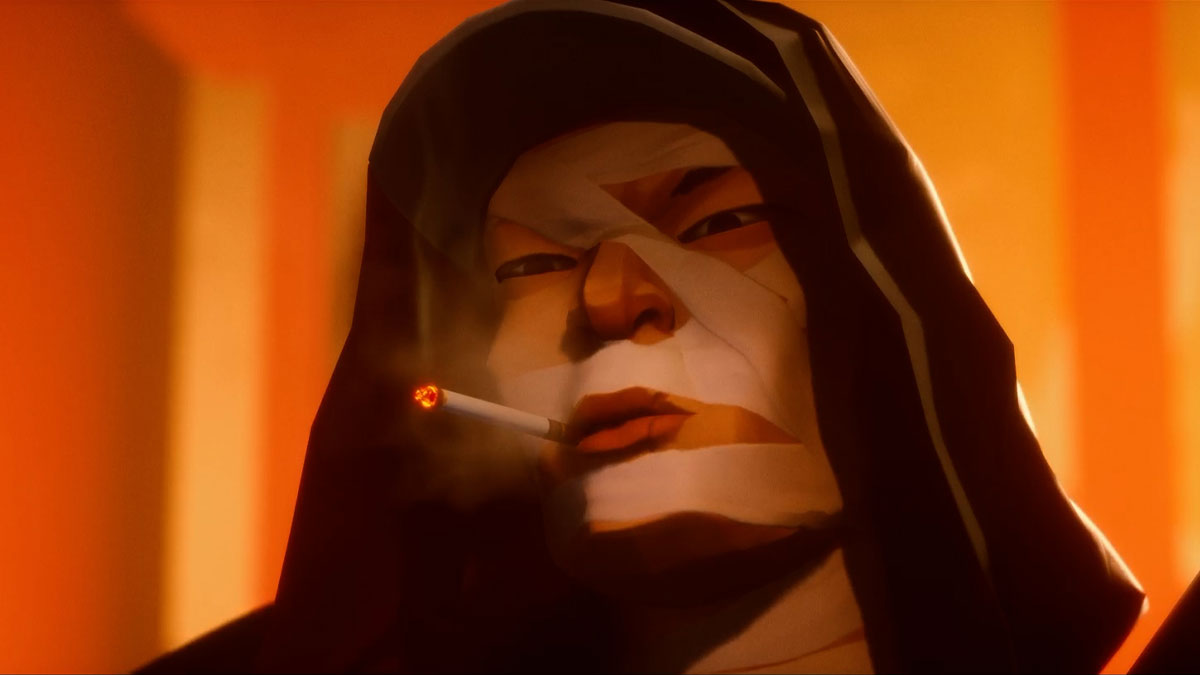
The game's demand for mercy hinges on this empathy in a narrative sense, but y'all all the same have to figure out how to spare your foes using the game's mechanics. Doing and then requires y'all to master their assail patterns in such a style that you can beat them without delivering a killing blow, breaking their defenses down multiple times instead. It's non like shooting fish in a barrel, nor is it always something I wanted to do. After multiple failed attempts to vanquish Sean the Fighter, I just wanted to intermission his big stupid pole over his big stupid head — I wanted revenge just every bit much equally Sifu'southward orphaned protagonist.
Only that's when I came effectually that third curve and became a true master of the fight mechanics. I got to the point where I could stroll through the levels with barely a scratch, smacking lackeys aside and beating bosses to a lurid. I was indeed the better fighter, and I proved it by sparing each boss and walking away. Letting them live isn't a binary selection until the very final moment. You still demand an active mastery of every boss battle to reach the bespeak where you can actually choose mercy. You're fully capable of slashing Fajar's throat or choking Jinfeng with her own weapon, but you don't. Every bit their faces shift from fear to relief, you feel truly powerful every bit you lot walk away, knowing they won't even bother to try to fight you anymore.
Enacting mercy isn't just the best path for Sifu's hero — it was also a lesson for me, the player. The game's natural progression demonstrated that revenge isn't the best path to victory. The deepest satisfaction came from humanizing the villains, mastering the menses of their fights, and having the discipline to spare the very people responsible for my father's decease. That's existent strength.

Source: https://www.gamepur.com/features/sifus-true-ending-is-a-lesson-in-mercy
Posted by: tapiatindst.blogspot.com
0 Response to "Sifu's true ending is a lesson in mercy"
Post a Comment